

When Flooding Forces Evacuations: How Rest Centres Support Communities in Crisis
Posted by Comms Team 22nd May 2026 News
Estimated Reading Time: 1 min
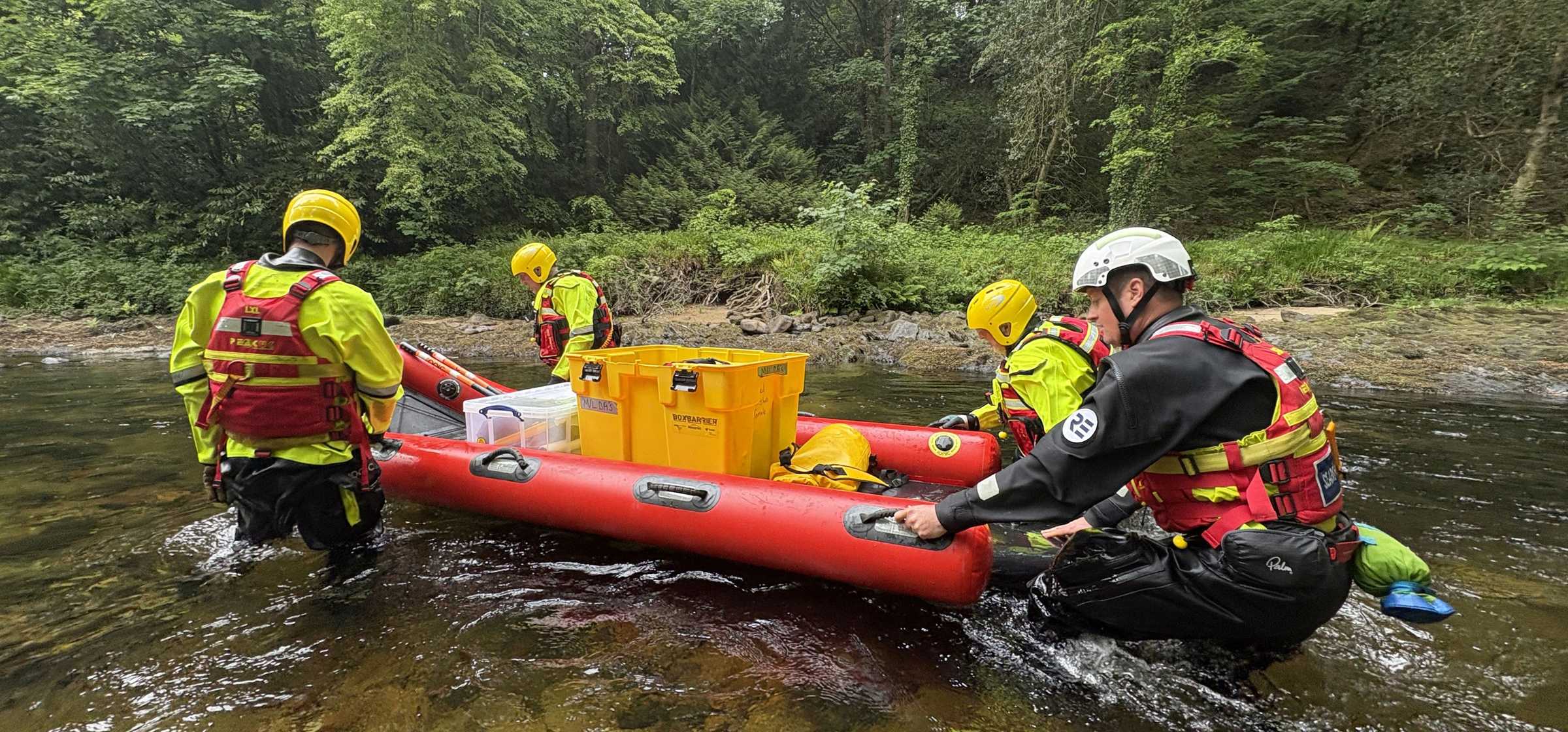
As the UK faces growing climate-driven flood risk, the ability to respond quickly in the first hours of an emergency has never been more important. Recent training undertaken by REACT’s Flood Response Team highlights the level of readiness required before severe weather strikes.
Across Nottingham, South Devon and Anglesey, REACT Responders completed specialist flood and swiftwater rescue training to DEFRA standards, strengthening the charity’s capacity to support communities and local authorities during large-scale flooding events.
When flooding, major fires or infrastructure failures force people from their homes, local authorities may activate emergency rest centres. These centres provide immediate short-term support for evacuees during the critical first phase of an incident.
A rest centre can be opened in locations such as community halls, leisure centres or schools, often at very short notice. People arriving may have left home suddenly, sometimes without medication, warm clothing or clear information about what happens next.
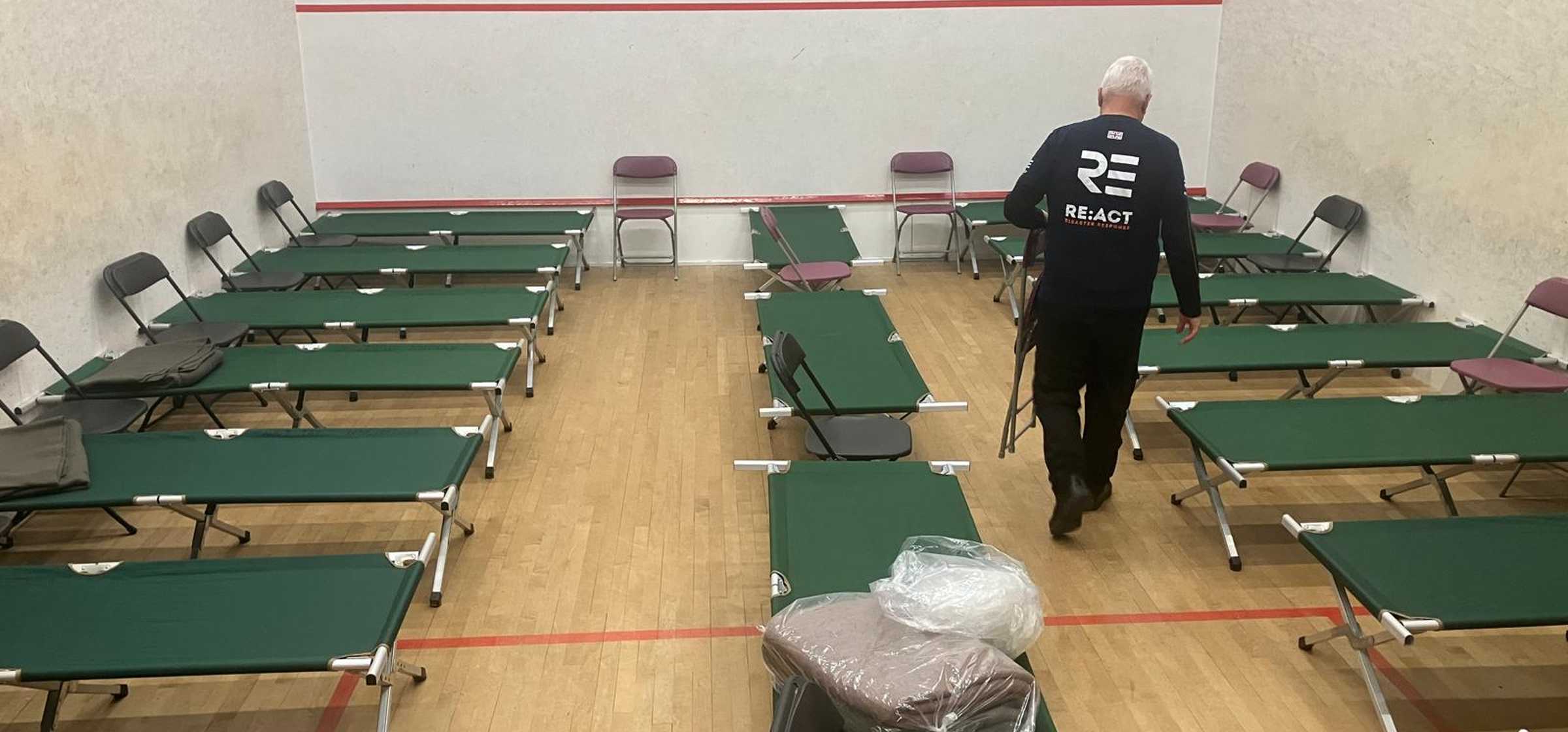
In those first hours, rest centres become a place of safety, coordination and reassurance. Local authorities, emergency services, charities and volunteer organisations work together to provide welfare support, hot food and drinks, information, registration, temporary sleeping arrangements and onward assistance for vulnerable people.
This is where trained volunteer teams can play an important supporting role. REACT’s Flood Response Team is designed to operate in challenging environments and integrate alongside wider response partners, helping strengthen local capacity when demand surges.
With the Environment Agency warning that millions of UK properties are already at risk of flooding, a figure expected to rise significantly in coming decades, maintaining trained, deployable response capability is becoming increasingly essential.
For REACT, preparedness is not only about rescue capability. It is about ensuring communities receive practical support, dignity and reassurance when they need it most.